

AI in Medicine and Patient Trust Requires a Human Pulse.
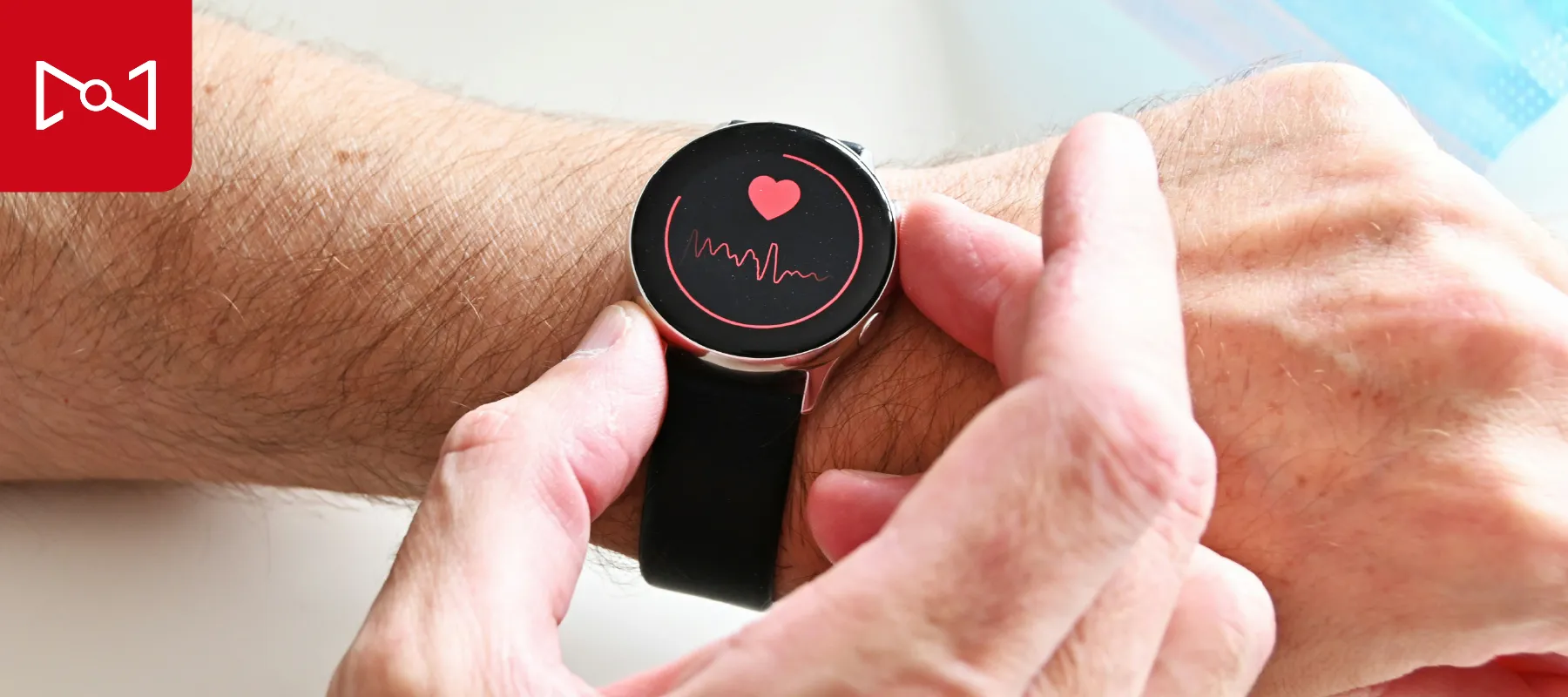


I’ve always been a fan of progress. Whether it’s an app that helps me track my sleep or a breakthrough in genetic research, there’s something genuinely exciting about seeing something tangible as a symbol that we are progressing in healthcare.
But lately, there’s a new player in the room that has fundamentally changed the dynamic of the doctor’s visit: AI.
A recent article in STAT News caught my attention because it addresses something we all feel but don’t always talk about: The growing gap between the speed of AI adoption and the depth of patient trust in AI and medicine. And I believe it's a conversation worth leaning into.
Acknowledging the Black Box

Black Box is a term used in AI that refers to the idea that even the people who build these systems don't always know exactly how a machine arrived at a specific diagnosis or treatment recommendation.
For a software engineer, that might be a technical hurdle. But for a patient sitting in a thin paper gown waiting for news, it’s a lot more personal. It’s about our lives, our bodies, and our families.
When we can’t see the "why" behind a decision, trust starts to erode. Once trust is broken, it is extremely difficult to regain, if at all.
The gap between efficiency and empathy

The case for AI is often framed around efficiency. It can scan thousands of X-rays in seconds or predict a patient’s risk of sepsis before a clinician notices a change. That’s powerful.
But efficiency alone isn't what makes care feel human.
We trust physicians not just because of their expertise, but because they look us in the eye. They listen. They understand that a person isn’t just a data point, but someone with a history, a context, and a set of fears.
As the article highlights, when we lean too heavily on the machine without bringing the individual into the conversation, we risk losing the "care" in healthcare.
Moments of care are often moments of vulnerability. For many, a visit to the doctor carries uncertainty, anxiety, or life-changing news. In those moments, no one wants to feel like a number.
Trust is given to us in those moments, and it's our responsibility to honor it.
Moving to a co-pilot model
So, what’s the path forward?
It’s not about stepping away from AI. These tools are too important, and their potential is too great. But we need to rethink their role.
AI should not replace the physician. It should augment the physician. AI is not the pilot of the healthcare journey—it's the co-pilot.
That means:
- Prioritizing transparency so people understand how decisions are made
- Ensuring equity so algorithms don't reinforce biases
- Protecting the human final say in every critical decision
Technology should elevate human judgement, not override it.
Why trust matters still matters most

Trust is the most valuable currency in medicine. It takes years to build and only seconds to lose.
As we move deeper into this era of AI in medicine, we have to be intentional about what we gain and what we risk leaving behind.
Let’s use AI to create space for more human connection, not less.
Because no matter how advanced technology becomes, it will never replace the moment when someone looks you in the eye, listens to your story, and reminds you that you're not alone.
This is the human pulse of medicine.
This is care at the N of 1.
Get insights like this delivered monthly.
Subscribe to the CancerGeek newsletter for exclusive perspectives on healthcare innovation, digital health trends, and more delivered straight to your inbox.