

The 162-Minute Wait: Can technology actually help the ER?
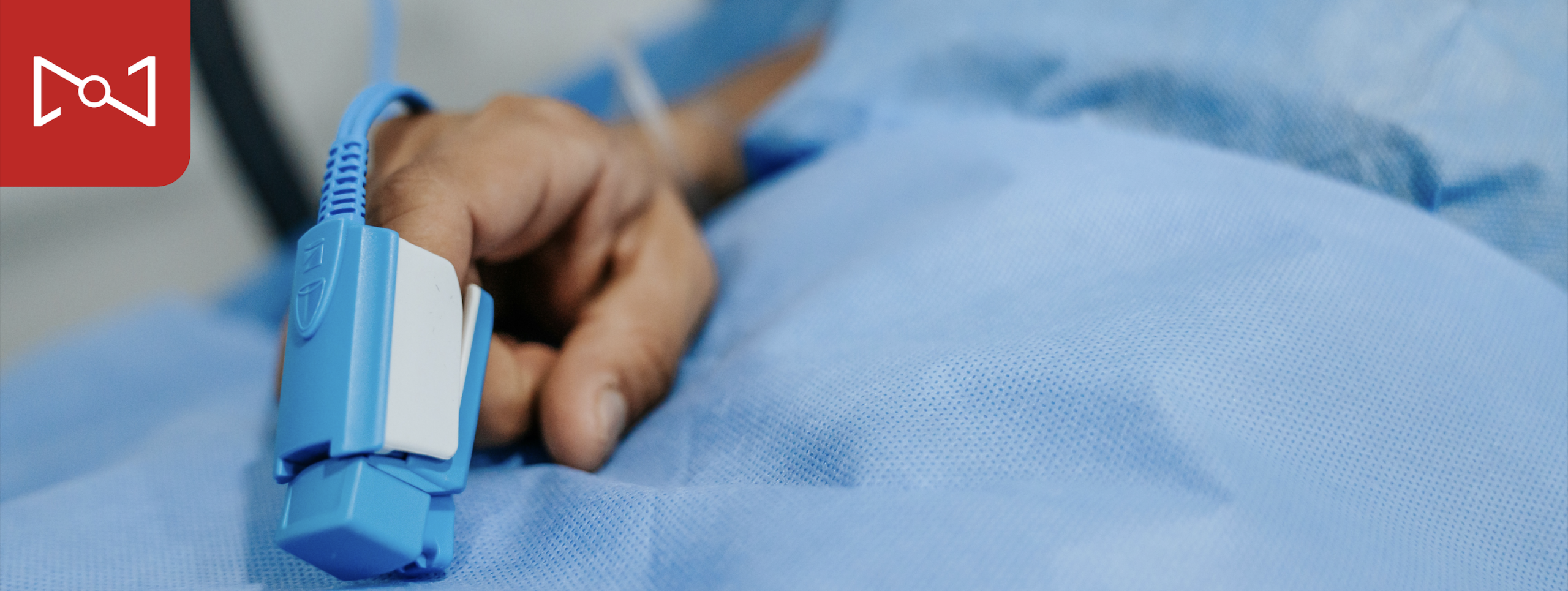


Picture this: You’re sitting on a squeaky chair beneath buzzing fluorescent lights, nursing a high fever or an excruciating wrist injury. You glance at the clock. One hour turns into two, and two turns into three.
If this feels like your typical Tuesday night in the ER, you’re not alone.
Data from Medicare and Medicaid show that Americans now spend an average of 162 minutes, or 2.5 hours, in the ER. In 24 states and D.C., the average visit is even longer. D.C. leads the country with a staggering 5-hour average, and about 2% of patients nationwide leave without receiving treatment.
Hospitals are stretched thin, raising a crucial question: Can technology actually help ease the pressure, or are we simply treating the symptoms of a much larger problem?
Why is the ER so slow?

To fix a problem, you have to know what’s causing it. When inpatient hospital rooms are full, sick patients can get stuck in ER treatment bays for hours or days. One recent study found that nearly 1 in 4 admitted patients wait at least four hours just to move to an inpatient room.
Compounding this issue, specialized psychiatric beds are ridiculously hard to find, forcing mental health patients to endure even longer delays. Add in people who use the ER for routine or non-emergency care simply because local doctors are booked out for months or due to loss in coverages provided by the Affordable Care Act, and the pressure on emergency departments only grows.
How tech is trying to save the day

While we can't print new doctors, smart tools are helping health systems manage patient flow and reduce bottlenecks before patients even reach a treatment room.
Predictive AI platforms like Epic’s Command Center or GE HealthCare’s CareIntellect for Operations can help health systems forecast demand and manage bed capacity. They track open beds across hospital floors in real time, helping teams coordinate cleaning and transfers so patients can move upstairs more efficiently.
Meanwhile, digital intake tools let some low-risk patients complete parts of the check-in process on their smartphones. In some modern ERs, doctors conduct quick virtual video chats right in the waiting room to begin evaluating patients and order tests earlier, so by the time a treatment bay opens, some of the information clinicians need may already be available.
Finally, one way to reduce pressure on emergency departments is to provide appropriate care outside the hospital. Through "Hospital at Home" programs, medical teams can use wearable biometric sensors and other connected medical devices to treat certain patients in their homes when it is clinically appropriate. The goal is simple: provide the right level of care in the right setting while preserving hospital capacity for patients who need it most.
Where do we go from here?
Is technology a magic wand for ER wait times? Of course not.
It is, however, a valuable tool that can help health systems reduce administrative friction, improve patient flow, and give clinicians more time to focus on what matters most: the patient.
But if we want to truly address the 162-minute wait, technology can only be part of the solution. We also need to rethink the systems, resources, and human care surrounding the patient. That’s what it means to keep the person at the center of healthcare, the #Nof1.
Get insights like this delivered monthly.
Subscribe to the CancerGeek newsletter for exclusive perspectives on healthcare innovation, digital health trends, and more delivered straight to your inbox.