

Autonomous Imaging: Disrupting the Diagnostic Treadmill.
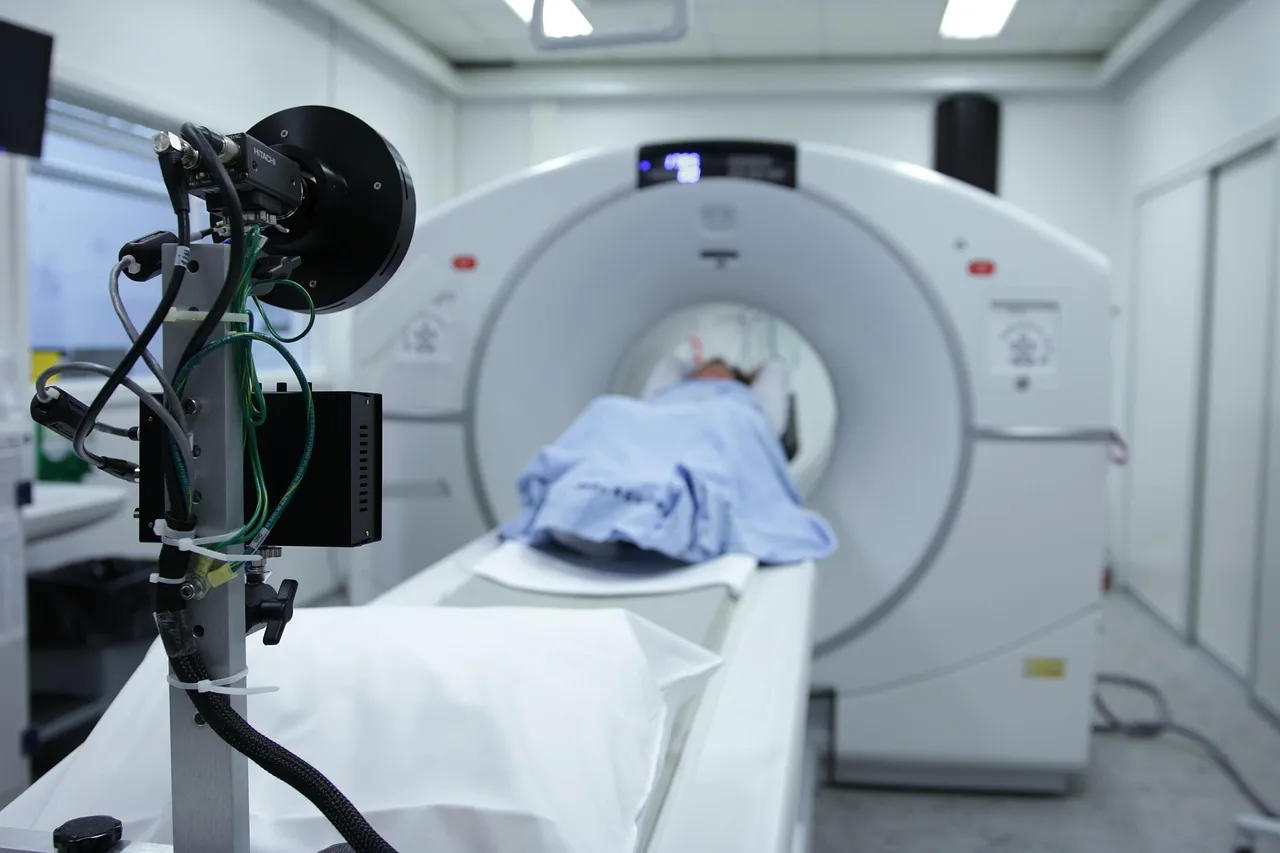
The case for using AI-enabled autonomous X-Ray imaging to address radiologist burnout.


I encourage you to watch this video from Dr. Saurabh Jha on his view of autonomous imaging for X-ray, a shift that could fundamentally change how we think about diagnostic workflow.
Currently, around 60% of a radiologist’s worklist is filled with simple X-ray exams; the low-value, high-volume treadmill that I imagine has become the bane of a radiologist's existence. These exams are often plagued by massive variability and low reimbursement, yet they consume the majority of a clinician's day.
Could Artificial Intelligence be the solution to radiologist burnout?
Dr. Jha’s hypothesis is that a lot of this simplistic workload could be easily handled by Artificial Intelligence (AI). It could handle the tedious parts: verifying the positioning of wires or tubes, quantifying movement, and tracking change over time. By deploying AI to handle plain films, we don't replace the physician; we free the radiologist to focus on high-level, complex tasks that truly require their expertise.
The regulatory and human hurdles
We have automated much of our modern life because it eliminates consumer friction. We trust ATMs for our finances, we have self-serve gas stations for our fuel, and robots to serve us coffee at some airports.
Why not apply this same logic to X-rays?
I recognize that there are regulatory hurdles: the NRC requires a person to be licensed and credentialed to administer ionizing radiation for medical use.
These rules exist for a reason, but we must ask if the current application of these rules is still serving the patient, or if it has become a barrier to access. Depending on where you are in the world - from rural America to remote regions globally - accessing an X-ray can mean waiting days or even weeks.
What’s more, in my experience, often general X-ray exams are the ones radiologists coach the least, do not like to spend a lot of time on, and the “simple balance” of mA and kV has massive amounts of variability.
Deciding the future of care at the N of 1
Imagine having a choice:
- Wait days for a traditional, human-administered X-ray, or
- Get a self-serve X-ray immediately, where the image acquisition is optimized and guaranteed by robotics and A.I., ensuring a consistent image for the reading physician.
Which option ultimately serves the patient's need for timely, consistent care?
This is the question we must wrestle with as a healthcare community. The technology is racing ahead, but the pace and direction of change—and our willingness to eliminate friction for the patient—is a choice.
We must decide if we are ready to lead the shift toward autonomous imaging for X-ray to prioritize the N of 1.