

Why Rare Disease Day Matters To All of Us.
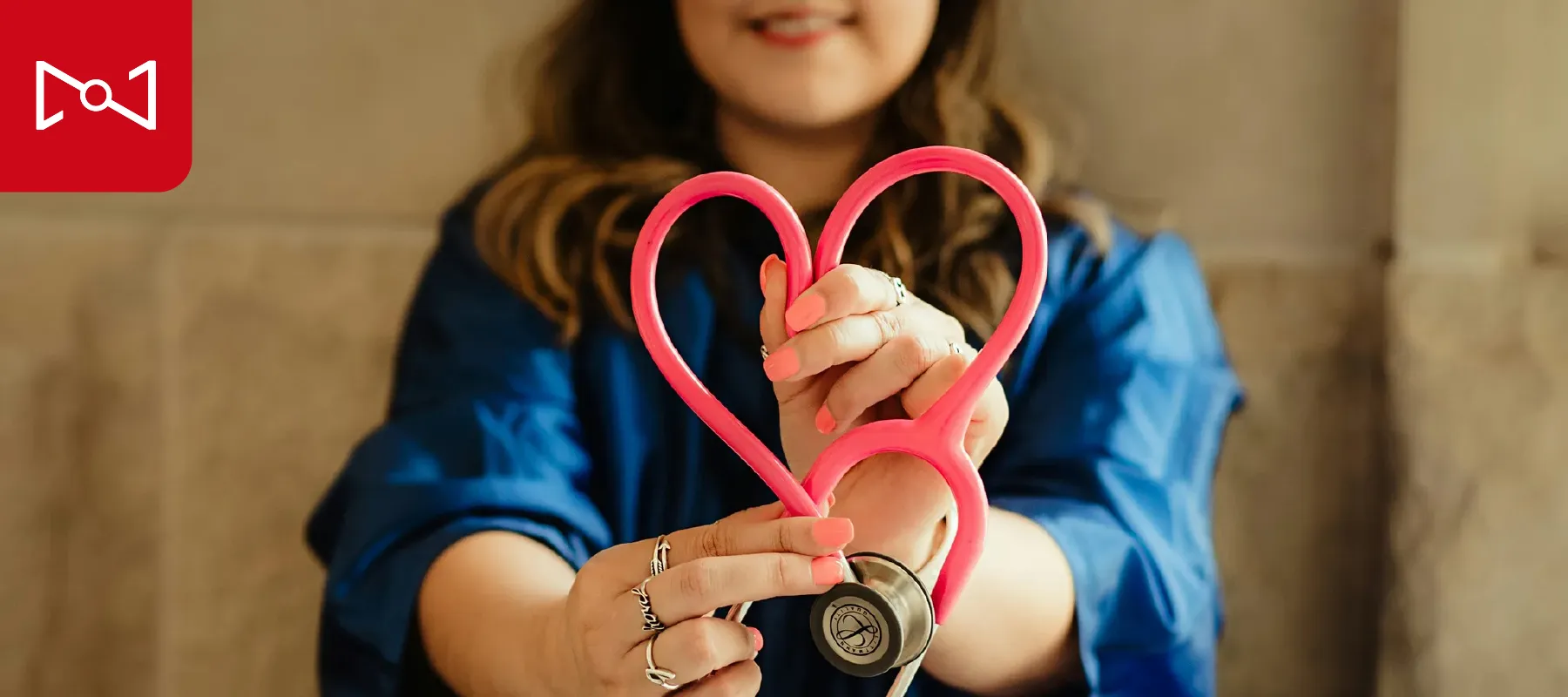
Bridging the gap between rare diagnoses and universal care.


The last day of February is the rarest day of the year, which ironically, is Rare Disease Day. It’s a day to "Share Your Colors" for the 300 million people globally who live with conditions that many doctors and often ourselves only see in textbooks.
Rare Disease Day is a time to acknowledge those who often feel voiceless. Anyone can be affected by a condition that flies under the radar, but being uncommon does not mean it deserves any less visibility. By bridging the gap between clinical expertise and lived experience, we can turn these isolated medical mysteries into a movement for research and equity.
Beyond the household names

While each of the 10,000+ known rare diseases affects a small number of people, the collective reality is staggering: 1 in 10 people lives with a rare condition. If you don't have one, you may know someone who does. Rare Disease Day is about highlighting those whose conditions don't have a month of their own or are left unheard of by the general public.
This includes complex cases like Progressive Familial Intrahepatic Cholestasis, a group of liver disorders that causes debilitating itching and yellowing of the skin and eyes. Also, Stiff Person Syndrome, a neurological disorder with autoimmune features, is under-researched. Even conditions like Morphea, a rare skin disorder that can go far beyond the surface to affect underlying muscle and bone. These conditions are lived experiences that require our attention, research, and advocacy.
But these are just the tip of the iceberg. Increased research and awareness aren't just about clinical breakthroughs. They are about ensuring that no person goes unheard and has to be their own advocate.
This Rare Disease Day, we must strive to move from "rare" to "recognized," proving that while a condition may be unique, the right to specialized care should be universal.
Why awareness is the best medicine
For the rare disease community, I’ve come to realize that awareness is more than just a buzzword. It is the most vital treatment currently available, a bridge between isolation and a clearer path toward answers and, ultimately, a cure.
By spreading knowledge, we do more than just talk. We actively assist families who have been kept in diagnostic limbo for years and spark the public interest necessary to fund life-saving research. This mission isn't just theoretical for me. Lately, it has become deeply personal.
I’ve been navigating the heavy reality of watching a close friend battle a sudden, aggressive flare-up of Meniere’s Disease. It’s a debilitating inner-ear disorder that triggers severe vertigo, tinnitus, and hearing loss. From the outside, the condition can be invisible. But from the inside, I’ve seen how it feels like the world is physically spinning out of control.
Watching someone I care about navigate a disease this unpredictable brings a specific kind of helplessness. I see the frustration of the "flare," the exhaustion that follows, and the quiet courage it takes for them just to stay upright.
This experience has highlighted a painful truth for me: when a disease is rare, the burden of explanation often falls on the person already struggling to survive it. Ultimately, I believe awareness transforms a lonely struggle into a global movement. It validates the human experience, influences policy, and proves that while a condition may be rare, the support behind it shouldn't be.
When we share these stories, we aren't just raising our voices. We are providing the collective care that makes every other medical breakthrough possible.
Moving the needle
For those who suffer from a rare disease, often the hardest part isn't always the physical symptoms. It’s the exhaustion of being their own expert. When you have a rare disease, you often walk into a doctor’s office knowing more about your condition than the doctor themselves. That’s a scary way to live.
It is imperative that we create an environment where a person doesn't have to explain their existence to every doctor or nurse they encounter. I believe delivering the best possible care at the N of 1, should be a common goal for everyone, no matter the disease. We all have loved ones, and we all can be affected by a rare disease. It is important we do our part to ensure that they are represented and heard.
Get insights like this delivered monthly.
Subscribe to the CancerGeek newsletter for exclusive perspectives on healthcare innovation, digital health trends, and more delivered straight to your inbox.